Introduction
Navigating the intricacies of tracheostomy and ventilator training is essential for medical professionals that wish to give optimal take care of clients calling for respiratory assistance. As medical care remains to develop, comprehending the nuances of respiratory tract administration and air flow has never ever been even more important. This post intends to give best methods, insights, and extensive guidelines for clinicians involved in tracheostomy and ventilator training.
Understanding Tracheostomy and Ventilator Support
What is a Tracheostomy?
A tracheostomy is a clinical treatment that entails creating an opening in the neck to put a tube into the windpipe (throat). This intervention is often essential when a person can not take a breath adequately due to different problems, such as severe respiratory distress, air passage obstruction, or long term mechanical air flow demands.
What is Ventilator Support?
Ventilator support refers to using devices that aid or change spontaneous breathing. It's critical in airway and ventilation management handling people with respiratory system failure where traditional breathing techniques are insufficient.
Types of Ventilators
Invasive Ventilators: These call for intubation or a tracheostomy. Non-invasive Ventilators: These generally use masks or nasal devices.Navigating Tracheostomy and Ventilator Training: Ideal Practices for Clinicians
Importance of Comprehensive Educating Programs
Clinicians have to engage in comprehensive training programs concentrating on both tracheostomy care and ventilator monitoring. Such programs not only enhance scientific abilities however likewise foster self-confidence in emergency situation situations.
Basic Ventilator Course: What to Expect
A fundamental ventilator course covers basic concepts consisting of:
- Understanding different modes of ventilation Adjusting ventilator settings based on client needs Recognizing alarm signals
These elements permit medical professionals to react properly during crucial treatment scenarios.
Essential Elements of Ventilation Training Courses
Curriculum Summary for Ventilation Training Courses
The perfect curriculum must include:
- Anatomy pertinent to respiratory tract management Pathophysiology underlying respiratory failure Practical sessions using simulation models
This extensive technique guarantees that registered nurses are well-equipped with both academic expertise and useful expertise.
Ventilator Training for Nurses: Trick Aspects
Nurses play an indispensable duty in managing people on ventilators. Their training must stress:
- Monitoring person response Troubleshooting typical issues Collaborating with respiratory system therapists
Such training guarantees alternative care for individuals calling for sophisticated respiratory tract management.
Advanced Air passage Administration Techniques
Airway Administration Strategies
Effective airway monitoring incorporates numerous methods suited to private person needs:
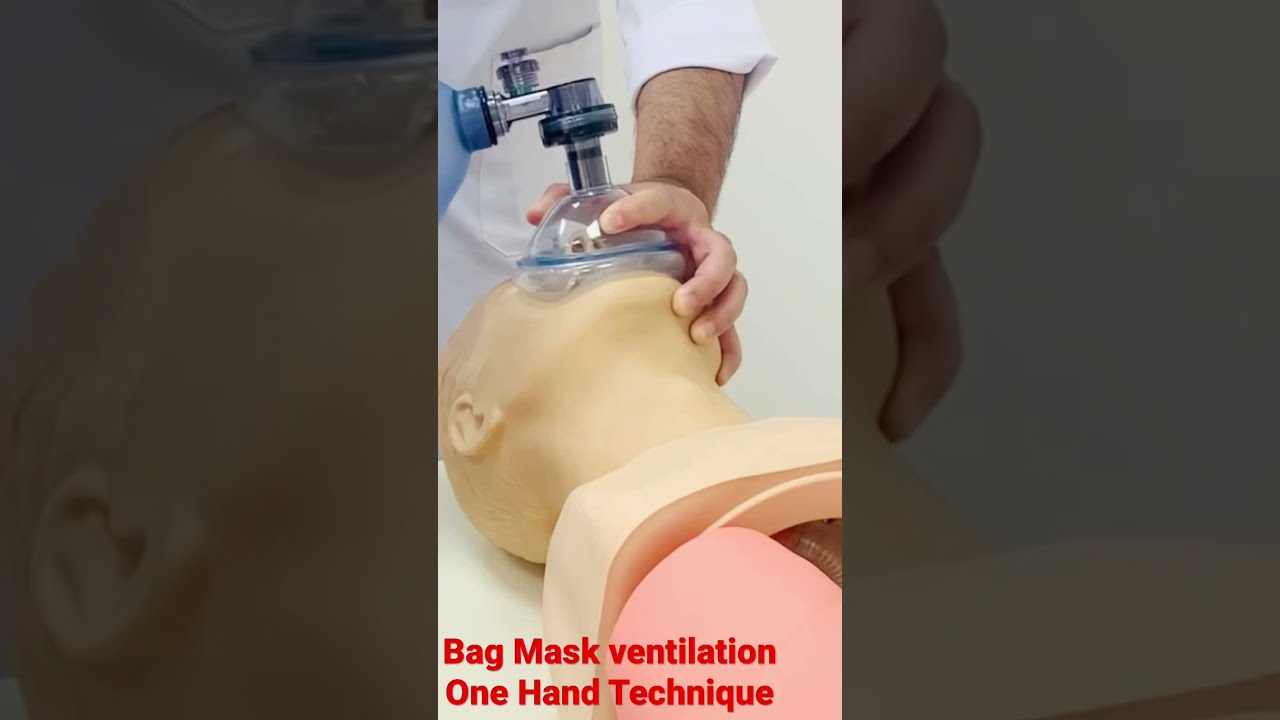
Bag-Valve-Mask (BVM) Ventilation: Necessary throughout preliminary resuscitation. Endotracheal Intubation: Utilized when extended ventilation is anticipated. Tracheostomy Care: Crucial for long-lasting ventilation patients.Each strategy calls for specific skills and understanding, making constant education and learning vital.
Key Considerations in Tracheostomy Care
Indications for Tracheostomy Placement
Tracheostomies might be indicated when:
- Prolonged mechanical ventilation is required. Upper air passage obstruction occurs. Patients need a steady airway due to neuromuscular disorders.
Understanding these indicators aids medical professionals make educated decisions concerning intervention timing.
Post-Tracheostomy Care Protocols
After positioning, watchful monitoring is necessary. Secret methods include:
Regular sucking Humidification of passionate air Ensuring tube patencyThese actions substantially lower problems such as infections or blockages.
Ventilator Settings and Client Monitoring
Understanding Ventilator Settings and Settings
Clinicians must excel in readjusting ventilator setups based upon the following specifications:
- Tidal Quantity (TELEVISION) Respiratory Price (RR) Positive End Expiratory Stress (PEEP)
Each setup plays a considerable duty in optimizing individual end results during mechanical ventilation.
Monitoring Patient Response to Air Flow Support
It's critical to continually examine person feedback through:
Arterial blood gas analysis Pulse oximetry Clinical signs such as agitation or lethargyProper tracking can lead to timely treatments, boosting total healthcare outcomes.
The Function of NDIS in Ventilation Training Courses
NDIS Ventilation Training course Overview
The National Special needs Insurance System (NDIS) gives specialized training courses focused on boosting clinician skills in managing people calling for long-lasting air flow support.
Benefits of NDIS Ventilation Training Programs
Engaging with NDIS-approved programs uses advantages such as:
Tailored web content addressing special client needs. Practical workshops highlighting hands-on learning. Networking opportunities with experienced professionals within the field.These features ensure that clinicians are well-prepared for real-world obstacles they may face when looking after individuals requiring intricate air flow support.
Collaborative Strategy in Air passage Monitoring and Ventilation Care
Interdisciplinary Team effort Importance
A collective approach involving numerous self-controls-- medical professionals, registered nurses, respiratory therapists-- ensures thorough treatment delivery for people requiring innovative respiratory tract monitoring and ventilation support.

Table 1: Duties of Different Team Members
|Profession|Role Summary|| --------------------------|-----------------------------------------|| Medical professional|Analysis examination & & treatment plan|| Nurse|Patient tracking & & direct treatment|| Respiratory system Therapist|Tools administration & & troubleshooting|
This team effort boosts interaction, leading to better person end results while cultivating a setting where constant understanding thrives.

Challenges Encountered by Clinicians During Tracheostomy and Ventilator Management
Common Challenges
Inconsistent adherence to protocols. Lack of knowledge with devices adjustments. Difficulty identifying issues very early on.Recognizing these challenges permits organizations to implement targeted curricula resolving gaps in expertise or practice among clinicians associated with tracheostomy and ventilator care.
FAQ Section
1. What qualifications do I need for standard ventilator training?
To sign up in standard ventilator programs, it's typically advised that participants have foundational understanding in nursing or respiratory treatment along with medical experience collaborating with people requiring breathing support.
2. Exactly how commonly ought to clinicians participate in refresher courses?
Regular correspondence course are a good idea every 1-- 2 years; this ensures that medical professionals stay upgraded on the most up to date practices, modern technologies, and methods related to respiratory tract management.
3. What specific abilities are educated during ventilator training?
Ventilator training furnishes individuals with skills such as adjusting settings based upon professional judgment, identifying alarm system signals from devices, and doing regular upkeep examine ventilators.
4. Exist any kind of dangers connected with tracheostomy procedures?
Yes, possible dangers consist of bleeding, infection at the cut website, unexpected decannulation (removal of television), or injury to bordering structures.
5. Can non-invasive methods replace invasive air flow entirely?
While non-invasive approaches can be reliable for sure conditions like COPD exacerbations, intrusive methods stay important for severe situations where prompt control over air movement is necessary.
6. Just how does one analyze if a client needs transitioning from intrusive to non-invasive support?
Clinical standards consist of enhancement in gas exchange metrics (e.g., reduced CO2 degrees), lowered demand for sedation, ability to follow commands indicating neurological status improvement.
Conclusion
Navigating Visit this page tracheostomy and ventilator training provides both challenges and opportunities for development amongst health care professionals dedicated to enhancing client end results within this important area of medication. By welcoming continual education via specialized training courses such as fundamental ventilator training courses or NDIS-approved programs while promoting team effort across disciplines enhances our cumulative capability-- eventually bridging gaps between knowledge deficits experienced during real-time clinical technique experiences faced daily by frontline employees today!
In recap, growing experience with structured training not just prepares medical professionals however additionally uplifts their self-confidence levels when supplying top notch treatment focused on promoting far better healing courses within at risk populations who depend heavily upon these elaborate systems designed specifically tailored in the direction of sustaining life itself!